

Blog
High Cortisol: The Silent Saboteur Behind Fatigue, Weight Gain, and Poor Sleep


High Cortisol: The Silent Saboteur Behind Fatigue, Weight Gain, and Poor Sleep
There is a hormone that is increasingly discussed, yet still not fully understood. It is often called the “stress hormone” and blamed for weight gain, insomnia, and constant fatigue. The truth, however, is more nuanced. Cortisol itself is not the problem. The problem begins when it remains elevated for too long.
At that point, we are no longer talking about a normal biological response, but a state in which the body operates in survival mode. And that is exactly where the answer lies to why so many people feel exhausted, even when “nothing is obviously wrong.”
What exactly is cortisol?
Cortisol is a hormone produced by the adrenal glands and plays a key role in the body’s stress response. It regulates energy levels, influences metabolism, helps control inflammation, and even affects sleep.
In the morning, cortisol naturally rises—helping us wake up, become alert, and start the day. In the evening, it should decline so the body can enter a recovery state.
When this rhythm is balanced, everything works in sync. But when cortisol remains elevated throughout the day, and especially in the evening, problems begin.
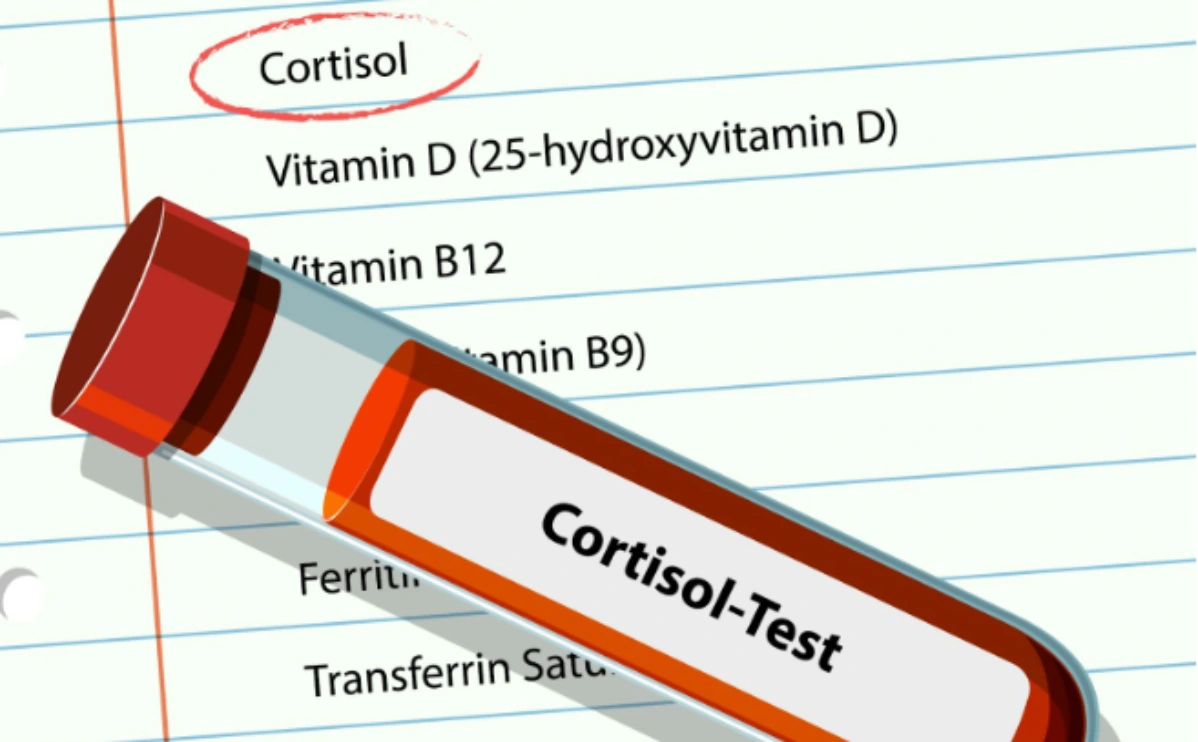
High cortisol – the silent saboteur we don’t notice at first
This is the tricky part. High cortisol does not come with a warning signal. It does not cause immediate pain or sudden breakdowns. Instead, it develops gradually and almost invisibly.
First comes mild tension. Then fatigue that doesn’t improve with rest. Sleep becomes lighter, and thoughts more restless. Appetite changes—often shifting toward sweet, calorie-dense foods.
Before we realize it, the body is already in a state where high cortisol affects nearly every aspect of daily life.
1. Why does high cortisol cause fatigue?
At first glance, it seems contradictory. Cortisol is supposed to provide energy, right?
Yes—but only in the short term.
When levels remain constantly high, the body begins to burn through its resources faster. Glucose is used more intensively, the nervous system stays in overdrive, and recovery is deprioritized.
The result is familiar: difficulty waking up in the morning, an afternoon energy crash, and a strange combination of exhaustion and internal tension in the evening.
2. Cortisol and weight gain – an underestimated connection
One of the most common reasons people start looking into cortisol is unexplained weight changes. Chronic high cortisol alters how the body stores fat, most often around the abdominal area.
It also increases appetite, strengthens cravings for sugar, and affects insulin sensitivity.
This creates conditions where weight gain can occur even with a relatively normal diet.
And that is where frustration builds—the effort doesn’t seem to work, while the underlying cause remains hidden.
3. Sleep – the first system affected by high cortisol
If there is one system that reacts fastest to elevated cortisol, it is sleep.
When cortisol remains high in the evening, the brain does not receive the signal that it is time to rest. This leads to difficulty falling asleep, frequent night awakenings, and a feeling of shallow, non-restorative sleep.
Even when someone sleeps enough hours, the quality is reduced.
This creates a vicious cycle: poor sleep leads to higher cortisol, which leads to even poorer sleep.
4. How does this imbalance develop?
There is rarely a single cause. It is usually a combination of factors:
- prolonged psychological stress
- lack of quality sleep
- excessive caffeine intake
- irregular eating patterns
- insufficient or excessive physical activity
The body does not distinguish between “work stress” and real danger. To it, everything is a signal to react.
And when these signals are constant, high cortisol becomes the new normal.
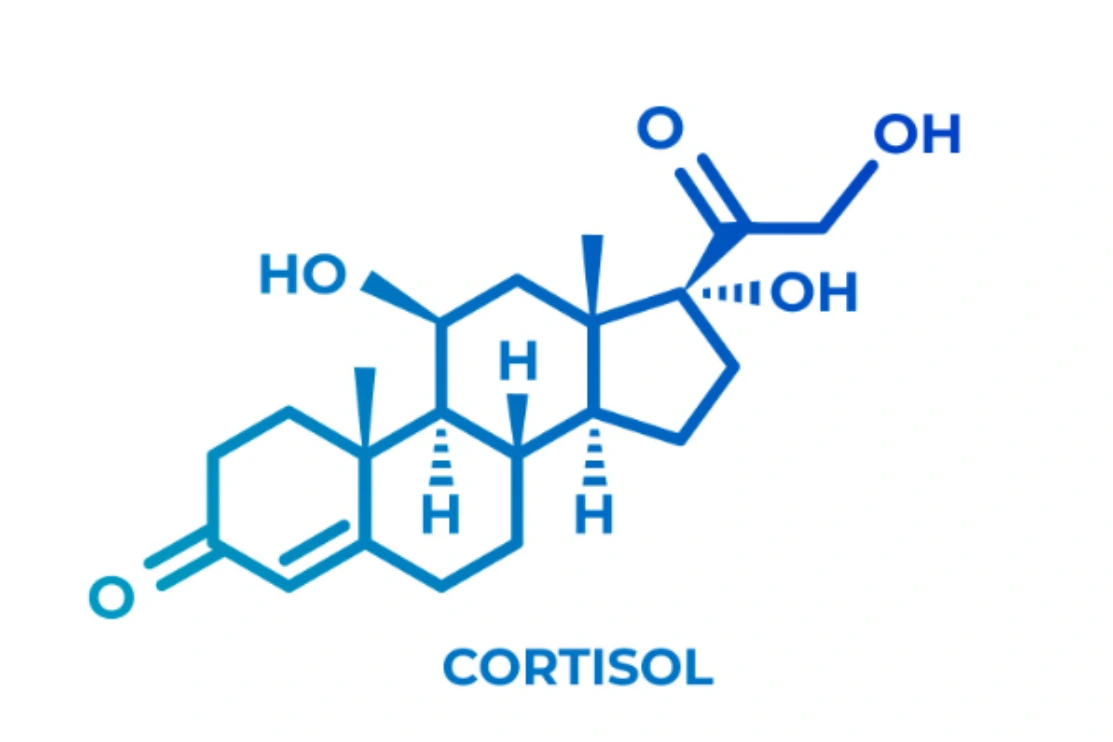
Can cortisol be reduced without extreme measures?
The short answer is yes—but not with a single action.
Lowering cortisol is not about quick fixes, but about restoring the body’s natural rhythm. This includes better sleep, balanced nutrition, regular movement, and reducing continuous nervous system stimulation.
Interestingly, small changes often have the greatest impact.
The role of key nutrients often overlooked
One underestimated aspect of stress management is cellular nutrition. The body needs specific nutrients to regulate hormones effectively. Among them, magnesium plays a key role.
With high cortisol, magnesium demand increases, while deficiency further amplifies the stress response, making recovery more difficult.
This is why more attention is being given to well-formulated dietary supplements that support the nervous system and hormonal balance.
Why does it feel like “something is wrong,” but we can’t explain what?
One of the most deceptive aspects of high cortisol is that symptoms are scattered. There is no single clear issue—just a combination of small signals:
fatigue, tension, sleep disturbances, weight fluctuations, lack of focus.
Individually, they seem minor. Together, they create a strong feeling that the body is not functioning properly.
And often, the search for answers starts in the wrong place.
No quick fix—only a consistent process
This is perhaps the most important takeaway.
There is no instant reset for cortisol levels, but there is sustainable recovery.
When the body starts receiving the right signals—rest, nutrients, reduced stress—levels gradually normalize.
The first changes are usually subtle: better sleep, more stable energy, fewer crashes during the day.
Over time, these small improvements lead to a full restoration of balance in the body.
Cortisol is not something to “eliminate.” It is part of the system that keeps us alive and adaptable.
But when it remains constantly high, it becomes a silent saboteur—not because it is harmful, but because the body is overwhelmed.
Recognizing this signal early is key.
Because behind fatigue, weight gain, and poor sleep, there is often not a lack of effort—but a lack of balance.
And when that balance is gradually restored, the body has an impressive ability to return to a state where stress no longer runs the show.
And that shift is felt not only physically, but in the way we experience everyday life.

